read the stories
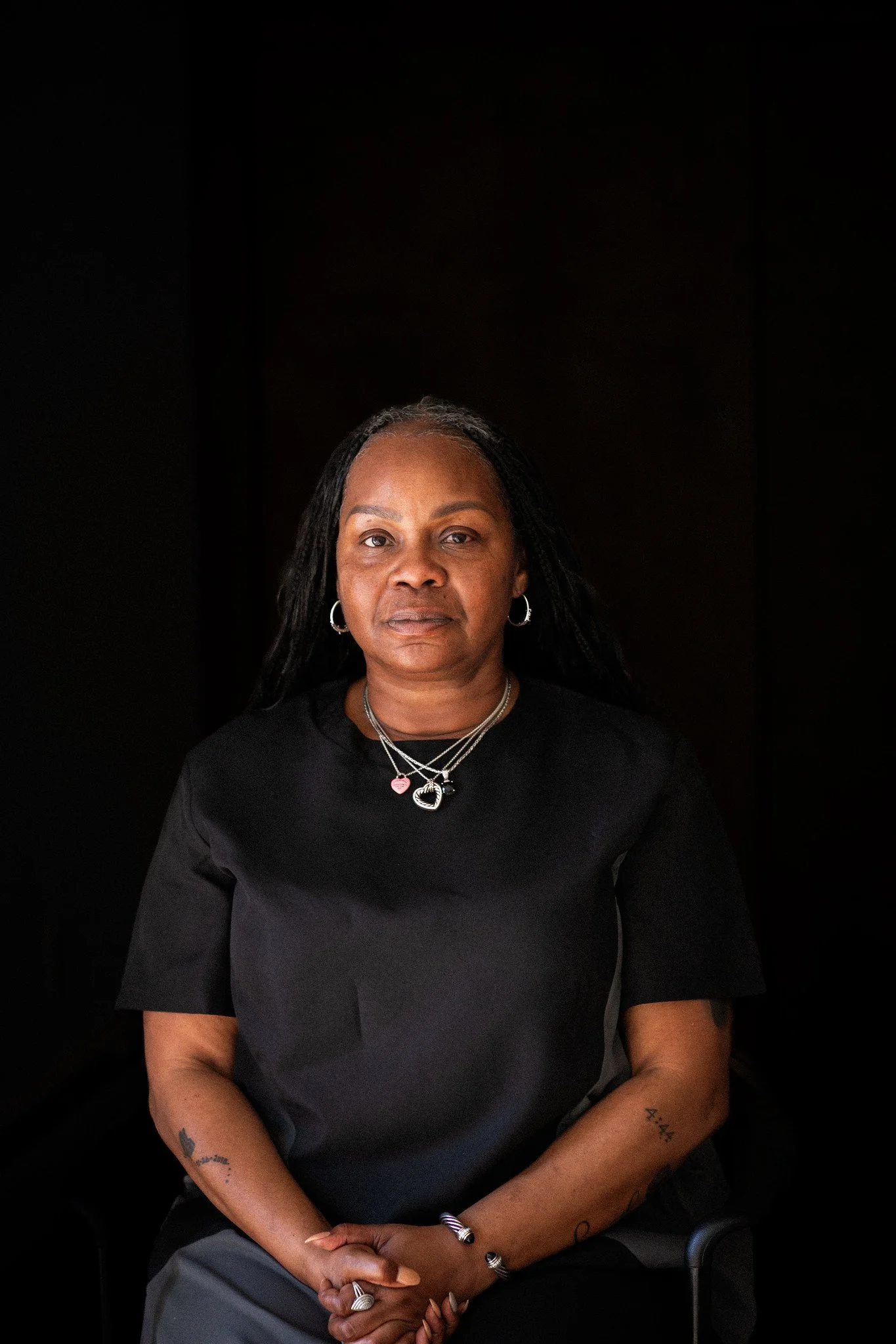
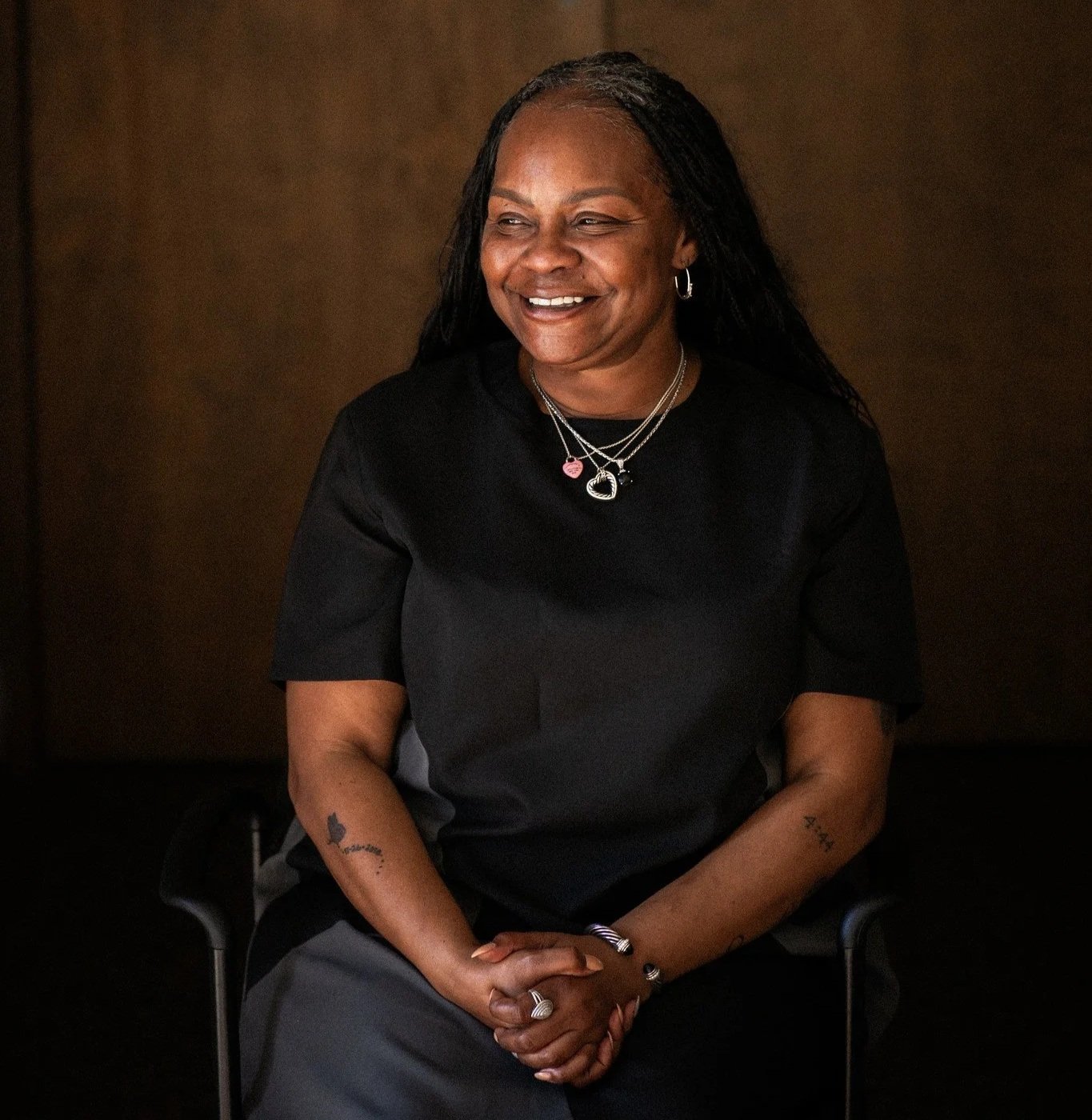
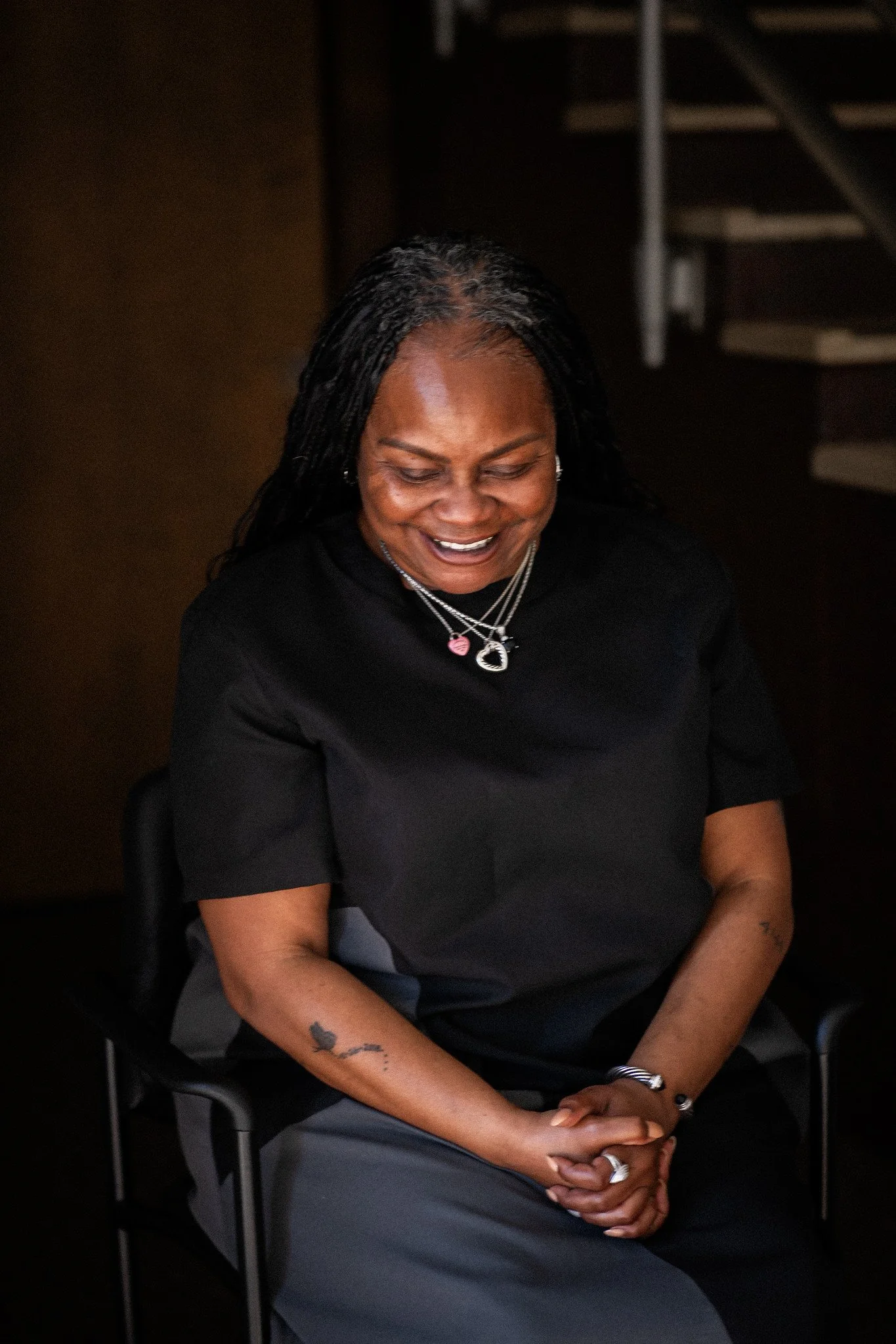
belinda
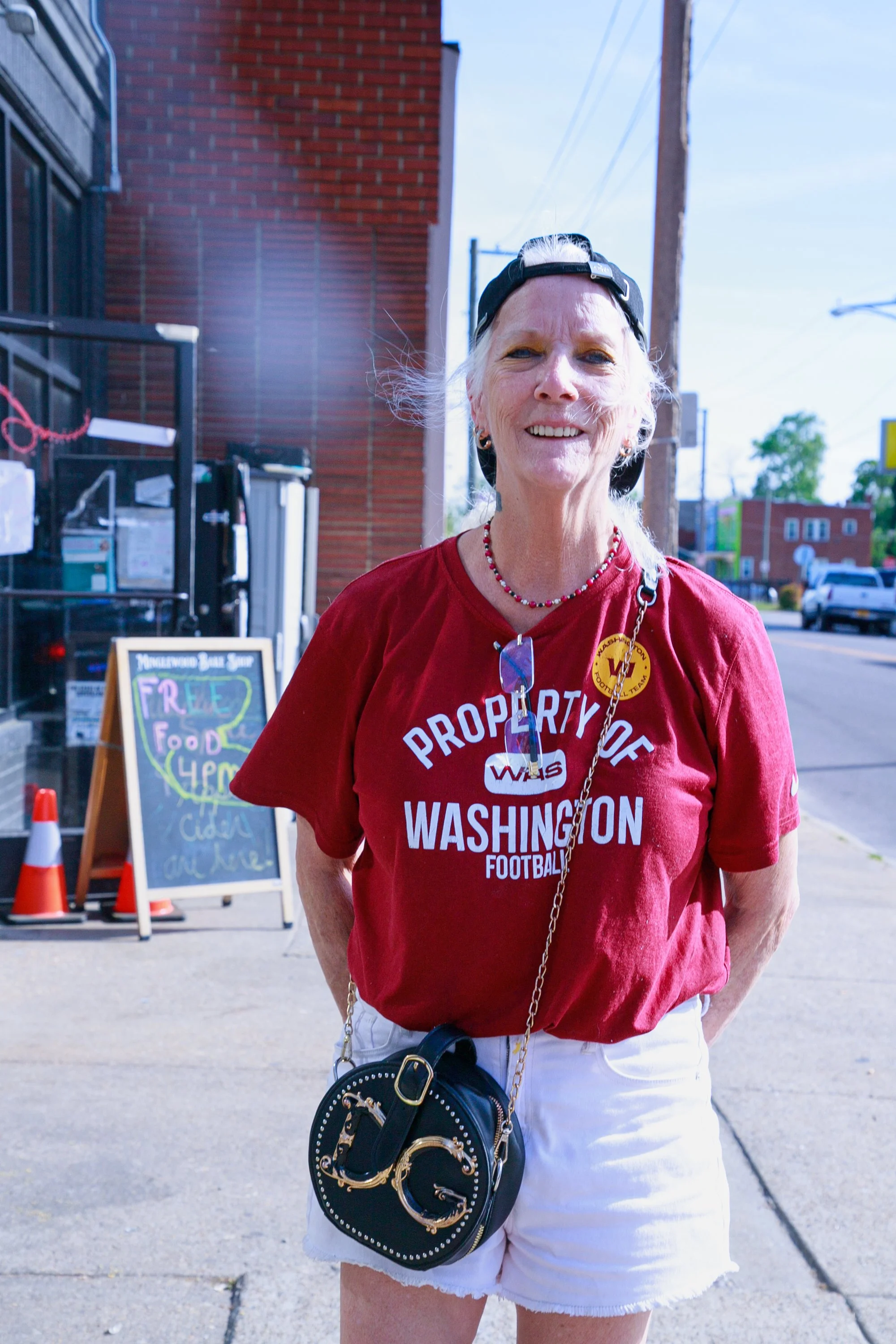
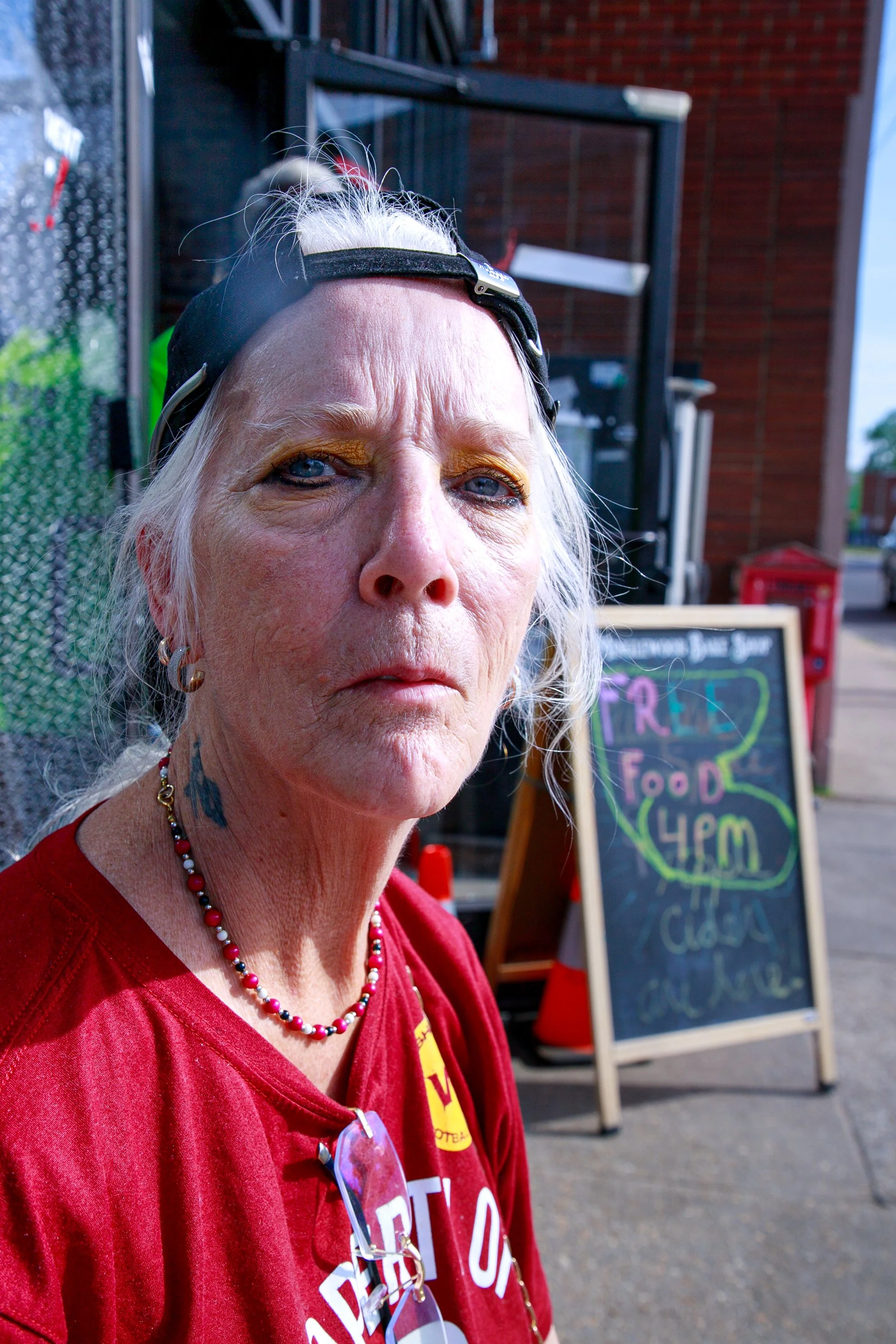
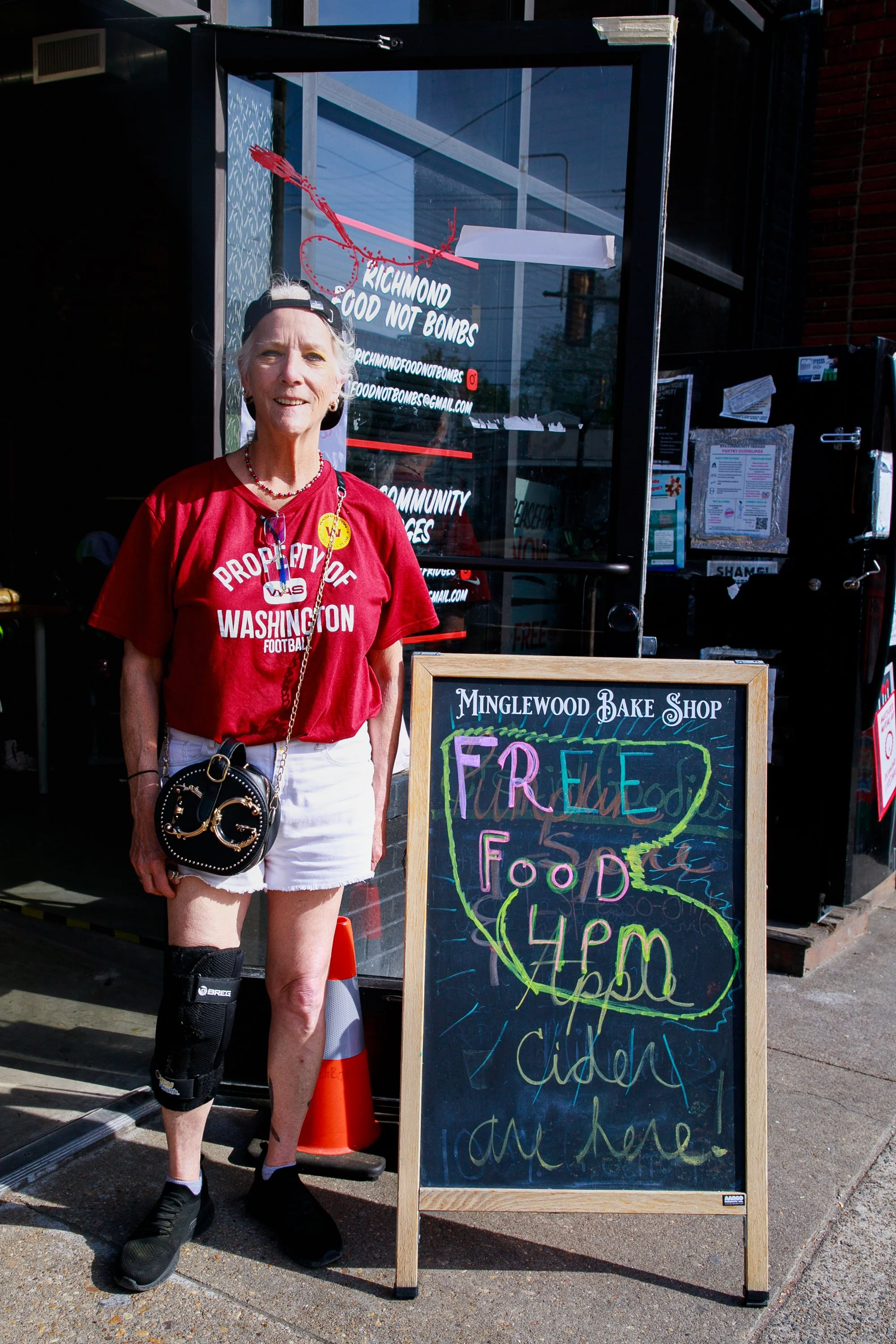
PHOTOS: PHUONG TRAN"I am from Richmond and I am retired, so I volunteer here at Matchbox Mutual Aid. If someone wants to know Richmond, I can show them around. I ride the bus. I don’t drive. So I can help them get around on the bus schedule.
Richmond is home. There’s a lot of art and culture. There are a lot of good people here – a lot of caring people. I’ve just been getting over cancer. I love Massey Cancer Center. I love the VCU area. There are a lot of things to do here.
What brings me joy? Living here with my friends and my family. Talking to you brings me joy. This place here (Matchbox Mutual Aid) brings me joy. We help people that are hungry have food to eat and be able to feed their families. I am giving back to the community what the community gave me when I was down on my luck. Everybody needs a little helping hand when they are down on their luck.
Kindness is being grateful, being humble, and having gratitude. They say: 'The meek shall inherit the earth.' It means being humble – showing your gratitude more than your pride. Be proud of what you’ve become, not where you’re at. It means being kind to yourself."
Dziko
PHOTOS: PATIENCE SALGADO"I just hope that our participants know that we really do care about the way that we serve them and the way we care about them. That we really do care about them. You are not a screw up because you’re dealing with some stuff. I just wish people knew that. So I think we try to tell people that a lot. A lot of people walk up to us and say ‘I’m f*cking up, I know y'all are disappointed.’
Actually I’m not, I’m super happy to see you. Because a lot of people we can’t reach, their phone may be disconnected or they may not be on a specific side of town so we don’t usually see them, and then when we see them it’s like ‘oh my god, we’ve been thinking about you!’
So I wish that people knew that there are people who care about them, who love them, and care about their wellbeing. We really do care if they have wound care, menstrual products and socks, because we do. I know it sounds so corny but this is really what we do every day.
There are so many people we have lost. We feel that loss every time we go to Church Hill or Southside. There’s a participant who says 'Miss Dziko, can I have a dollar, can I have a cigarette, can I have a piece of candy, can I have that purse when you don’t want to use it anymore.' And when you show up with that purse and they’re like 'Oh you remember Miss Dziko, you remembered my birthday!' That just trumps all the quarterly reports we have to do and the deliverables and all that stuff."
Dziko Singleton, R-CPRS, BHT, SUD Ed. Counselor
Comprehensive Harm Reduction Program Coordinator
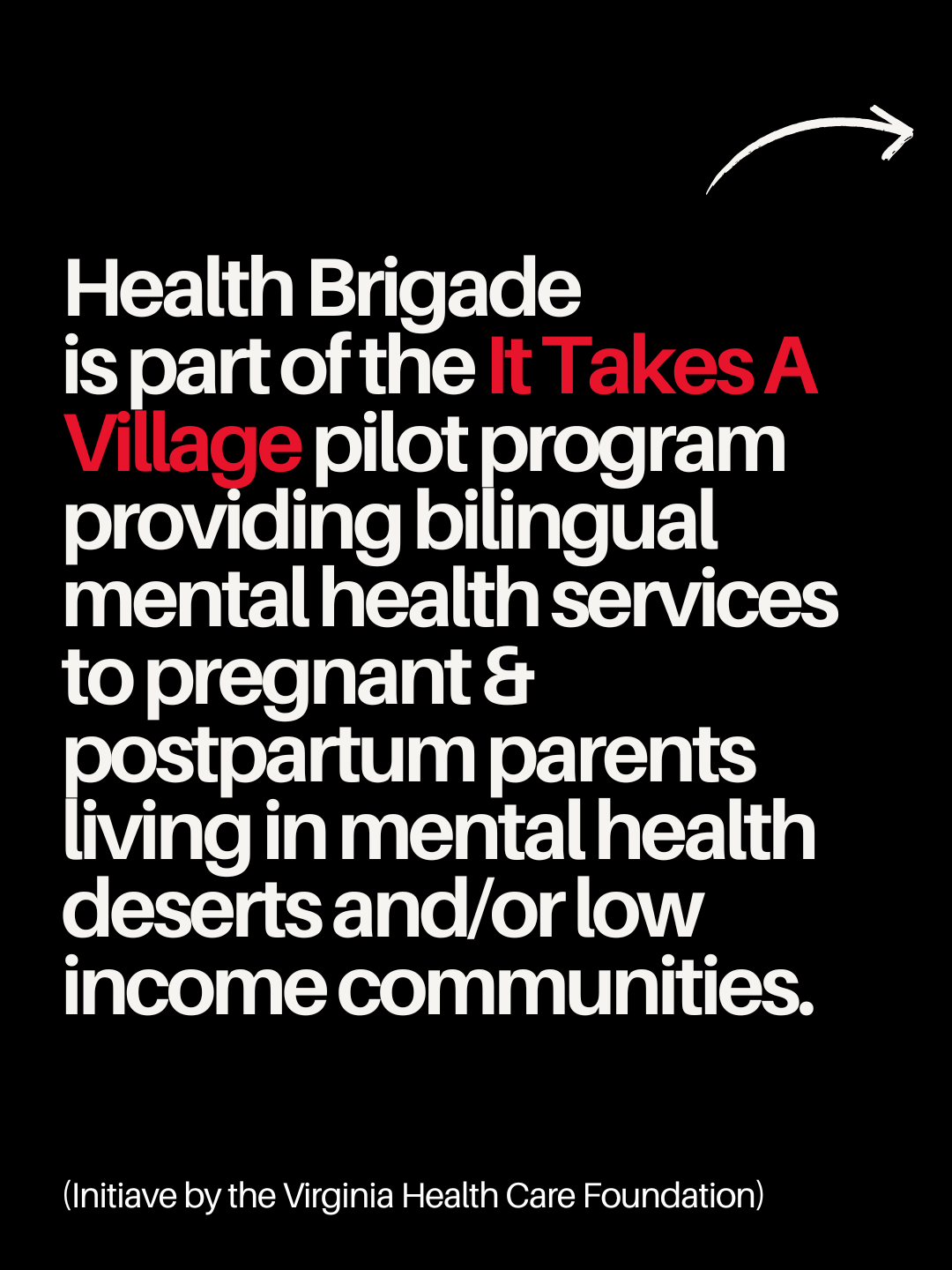
Health Brigade's Comprehensive Harm Reduction Program has 6,000+ participants enrolled and is the largest in the state of Virginia serving 250+ people weekly in three locations around Richmond.
the easiest thing
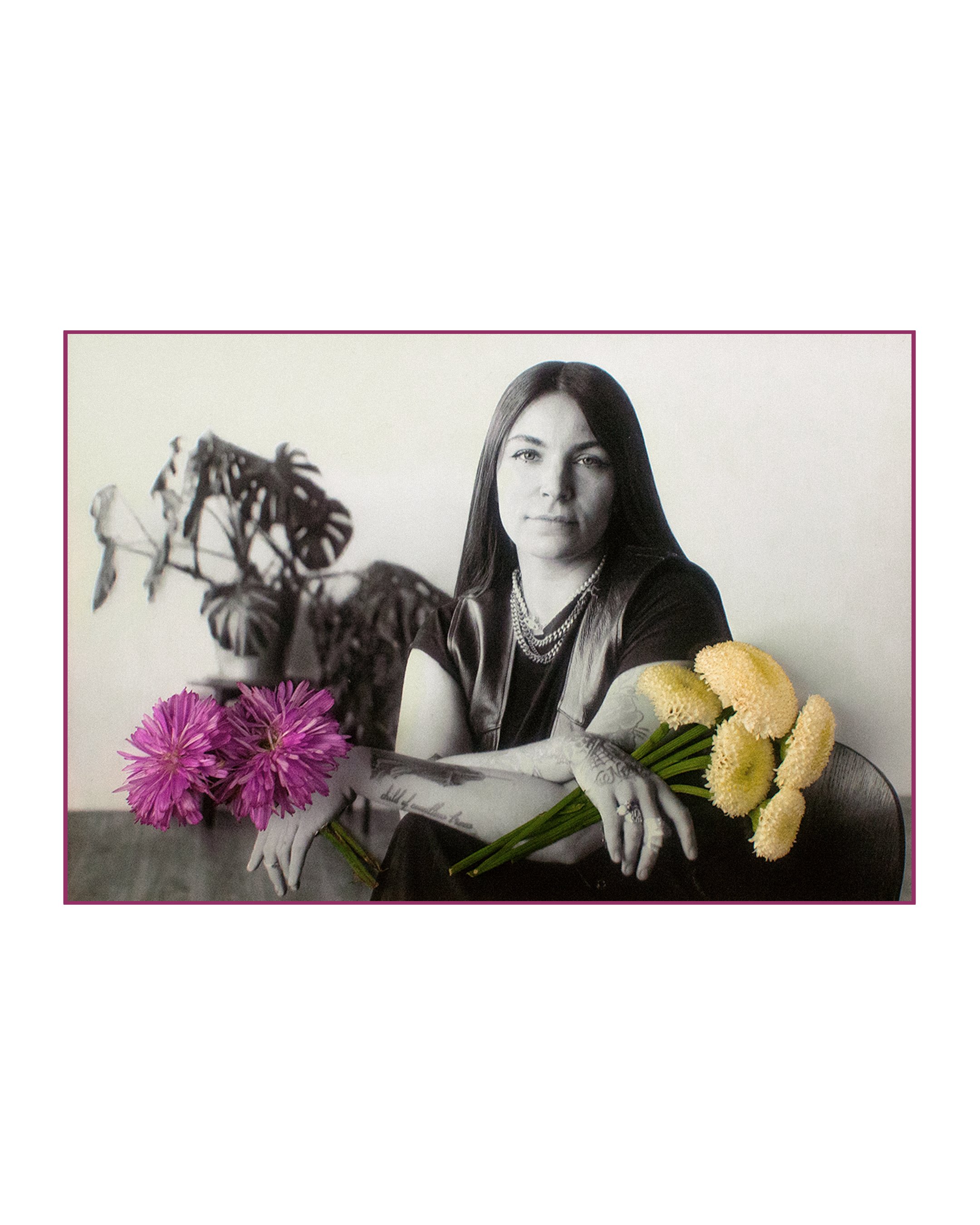
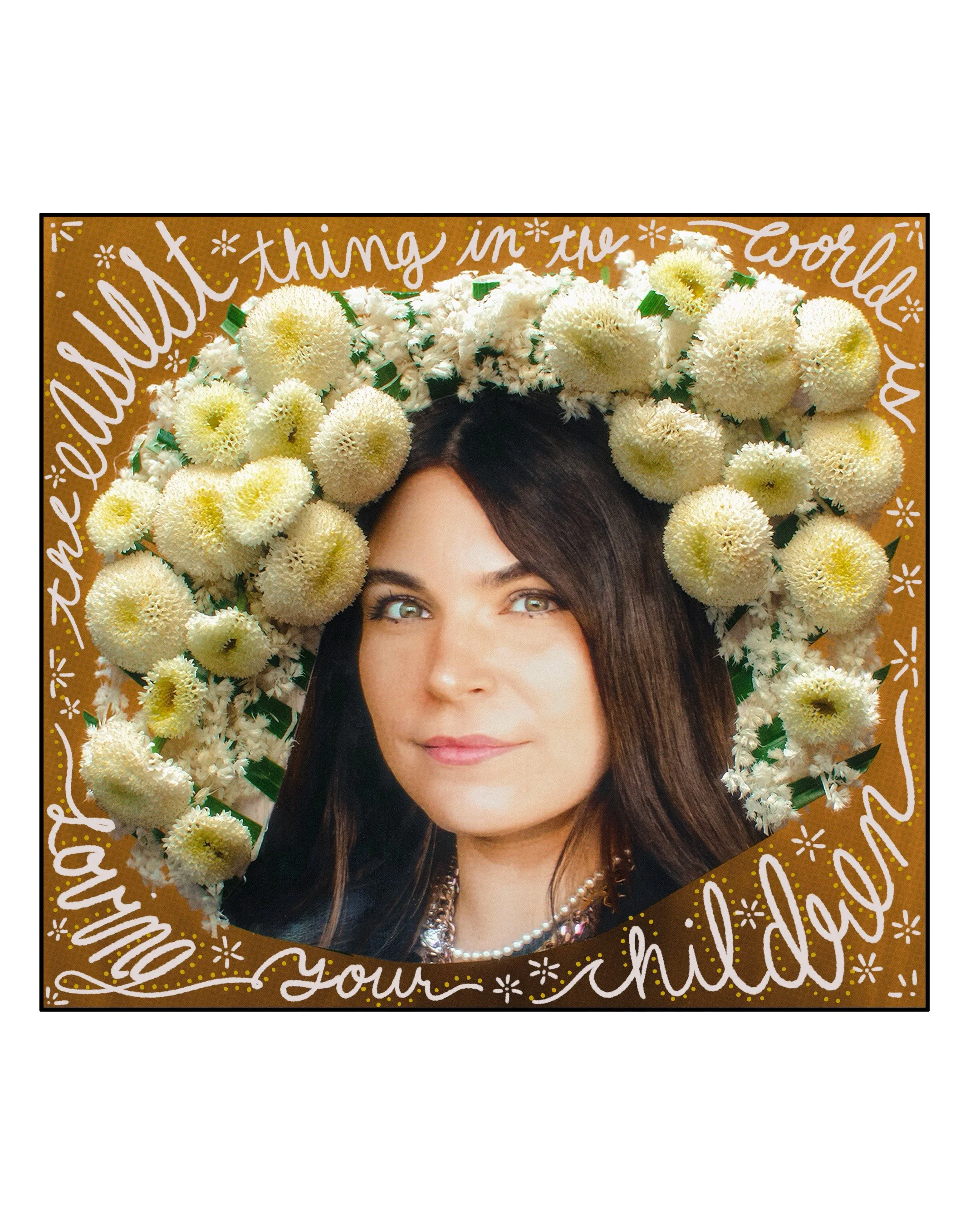
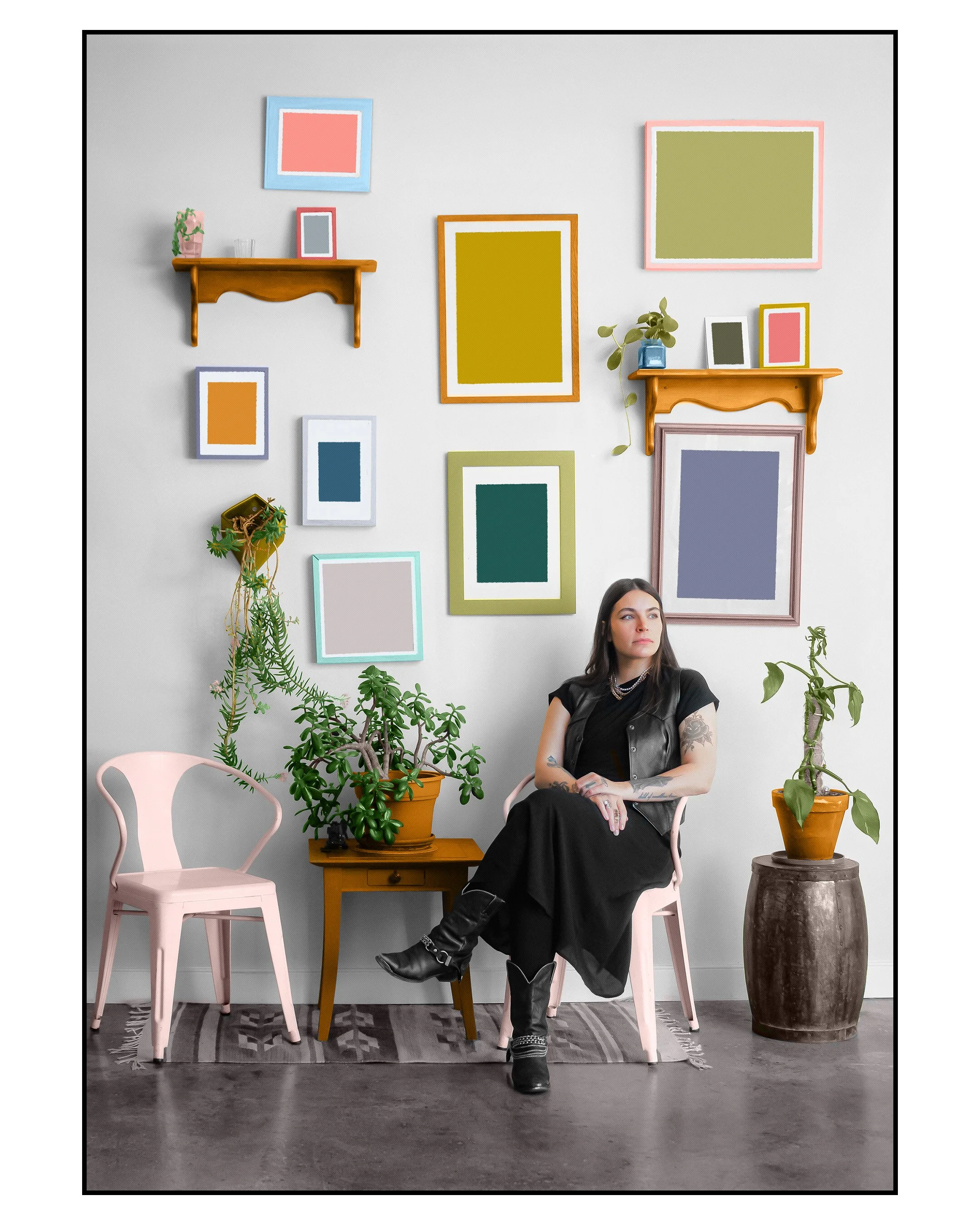
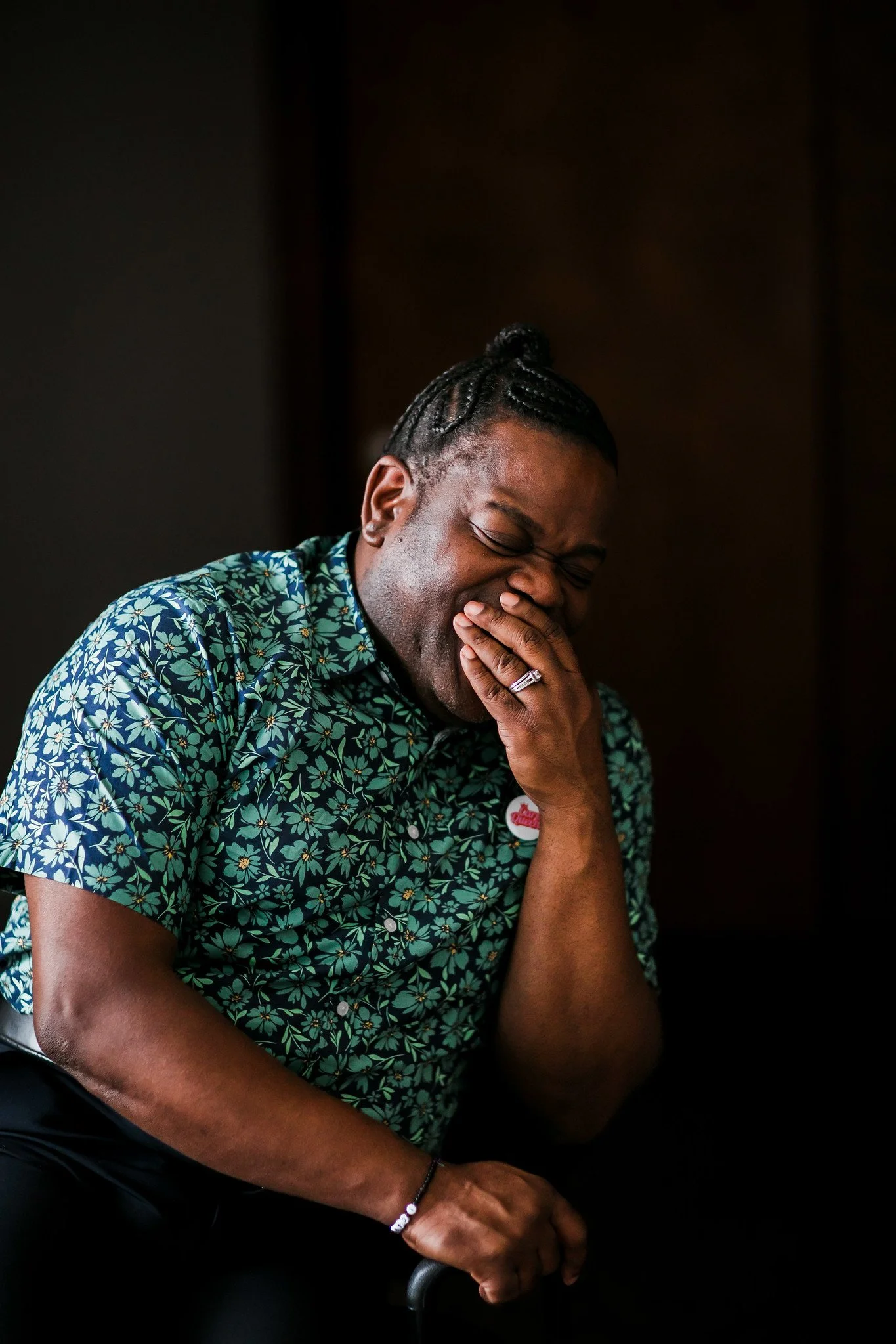
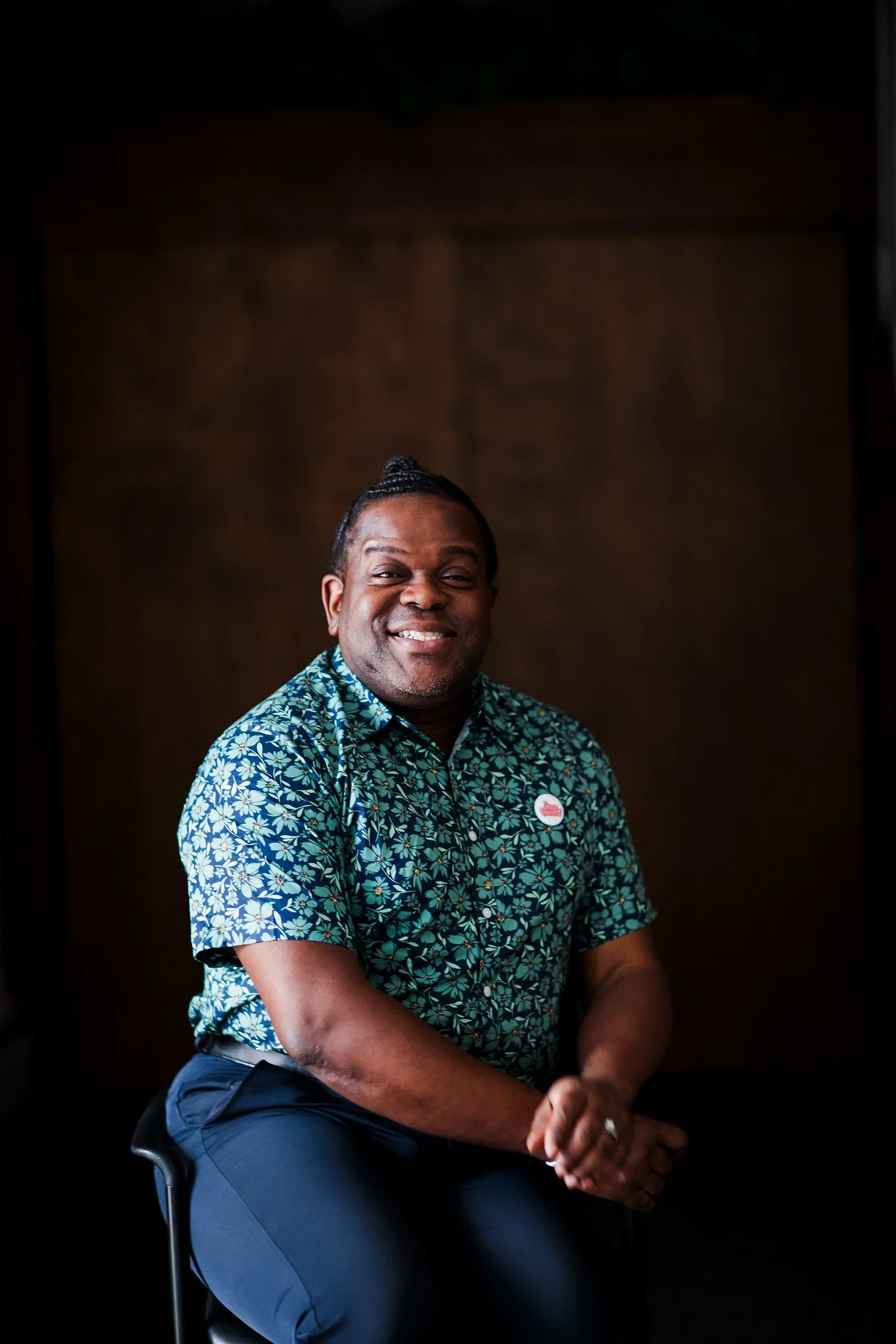
PHOTOS: SYDNEE SCHORR“Feeling seen is the most important thing when bringing children into the world, or in life. Your nervous system actively shifts when you are safe, secure, and supported, and you can better prepare for life with a newborn, rather than fighting, everyday, to get through your pregnancy. When people are nurtured it changes who they become as parents.
In my own experience, and that of many pregnant people I know, a lot of anxiety can brew. Especially when you're not feeling fetal movement yet, or you don't have this big belly to show that you're pregnant. In those early phases, where it's anybody's game, it just feels scary. Having a person in your life that you trust —it doesn’t even have to be a doula—can help bridge the gap between those big spaces.
When it comes to pregnancy, society doesn't leave much space for any emotion other than joy. It’s important to be able to talk about it; to have someone say, I know how you feel.
My job relies on support and education, because if you don't know your options then you don't have any, and things are done to your experience that are entirely out of your control. We are advocates. Not just for birthing people, but for their partners, and families, and babies. How do we help this person feel seen and heard? How do we contribute, so they can just let go?
We are all brainwashed into this idea that we have to go at things alone. ‘Pull yourself up, because nobody is going to help you’. I don’t believe that’s how life should be. Community is the most important thing in my life. Like I always tell my clients, ‘I’ll never stop being your doula’.
I'm very open about how I came into this work—about my story, and my miscarriages. I've been pregnant seven times, and I have two living children. Loss of pregnancy is a huge part of my life. I’ve had the privilege of sharing moments with people welcoming a child after loss, and every single one of those births has healed a little part of me, and brought me more at peace with my own story, and how I came to become a parent. For that, I couldn't thank them enough.
Alvion
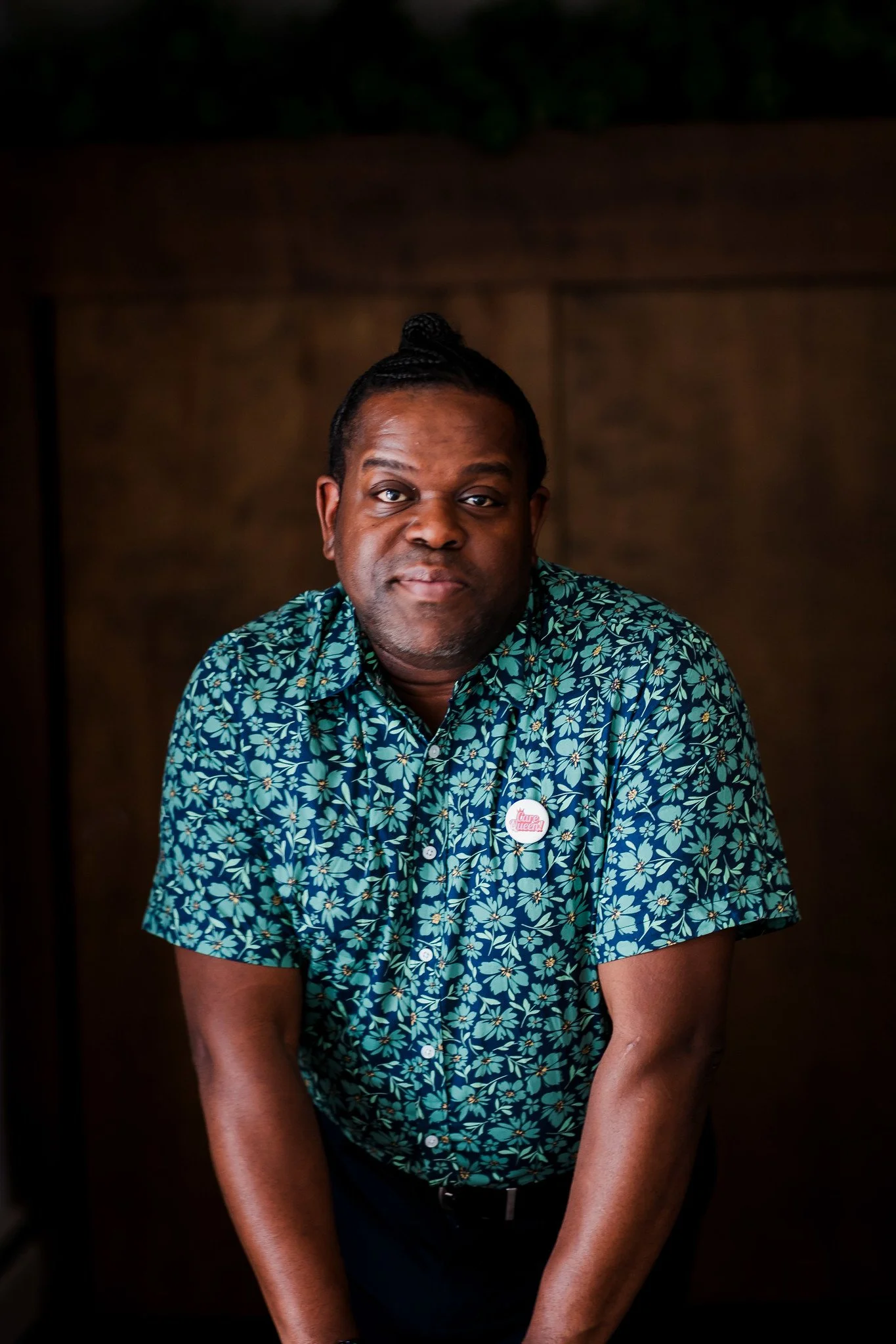
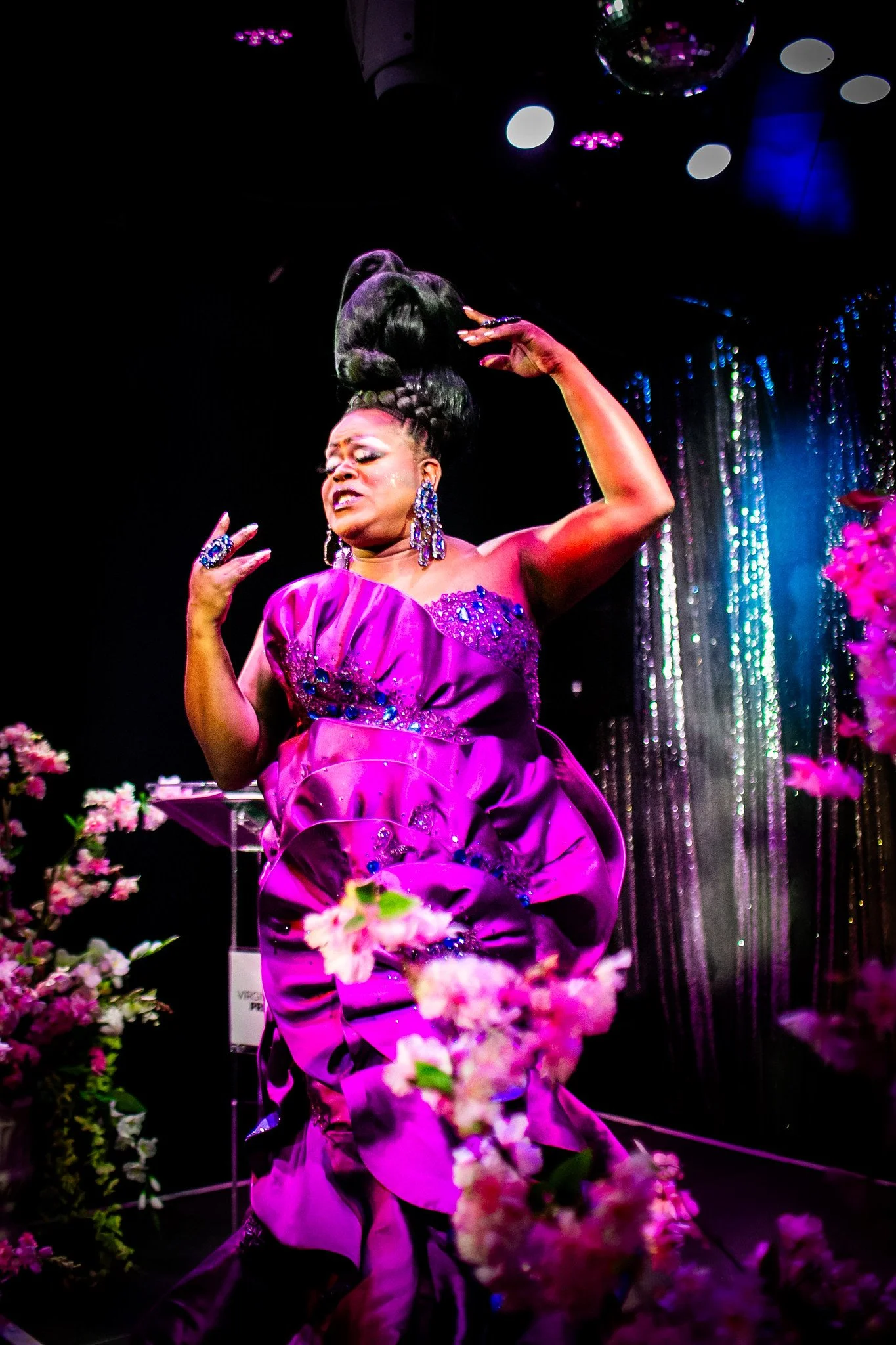
PHOTOS: PATIENCE SALGADOWhat do you wish people knew about your community? That you feel like they don't know.
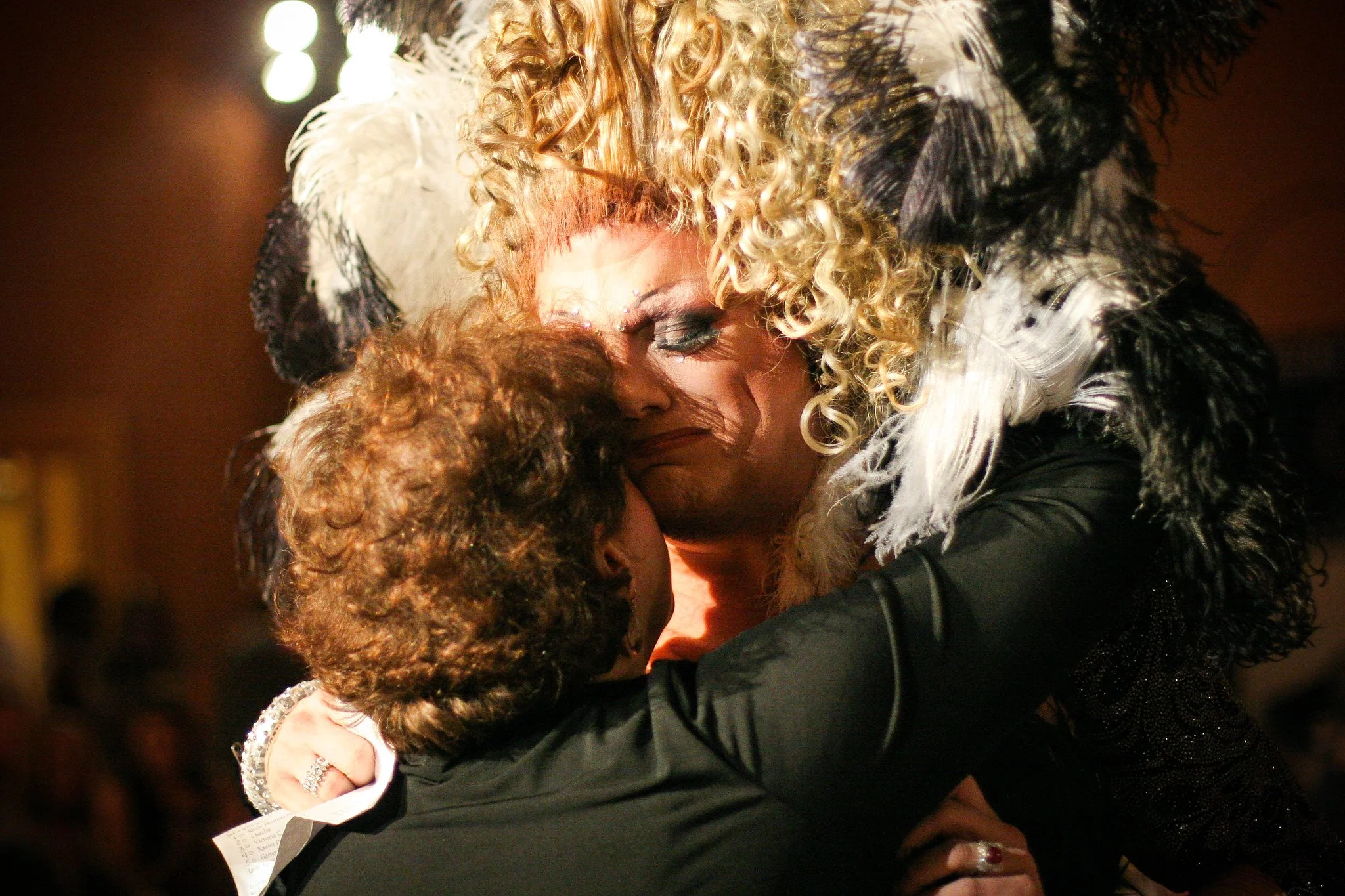
“I think that they do know. They just ignore the fact that they know. And they know that we're some of the most amazing people. Every florist is probably gay, every barber is probably gay. Every artist is gay. The person that's ringing up your groceries at the grocery store is gay. The person that's the coffee shop is gay. The person, I mean, just the beauticians are gay. And you know, you're nailed techs are probably gay. If you're on the radio, the announcer is probably gay. But I mean, I could go on and on and people just do not realize how close and or connected they are to the same people that they probably hate in private.
So I think that they already know they just don't wanna own up to the fact that they know that most of the most great wonders of the world, some of the things that they rely on every day, is put on by gay people.
Just own the fact that everybody is different, you don’t have to hate me because I’m different. You don’t have to dislike me or threaten me just because we are different.”
-Alvion Arnell Davenport
solito
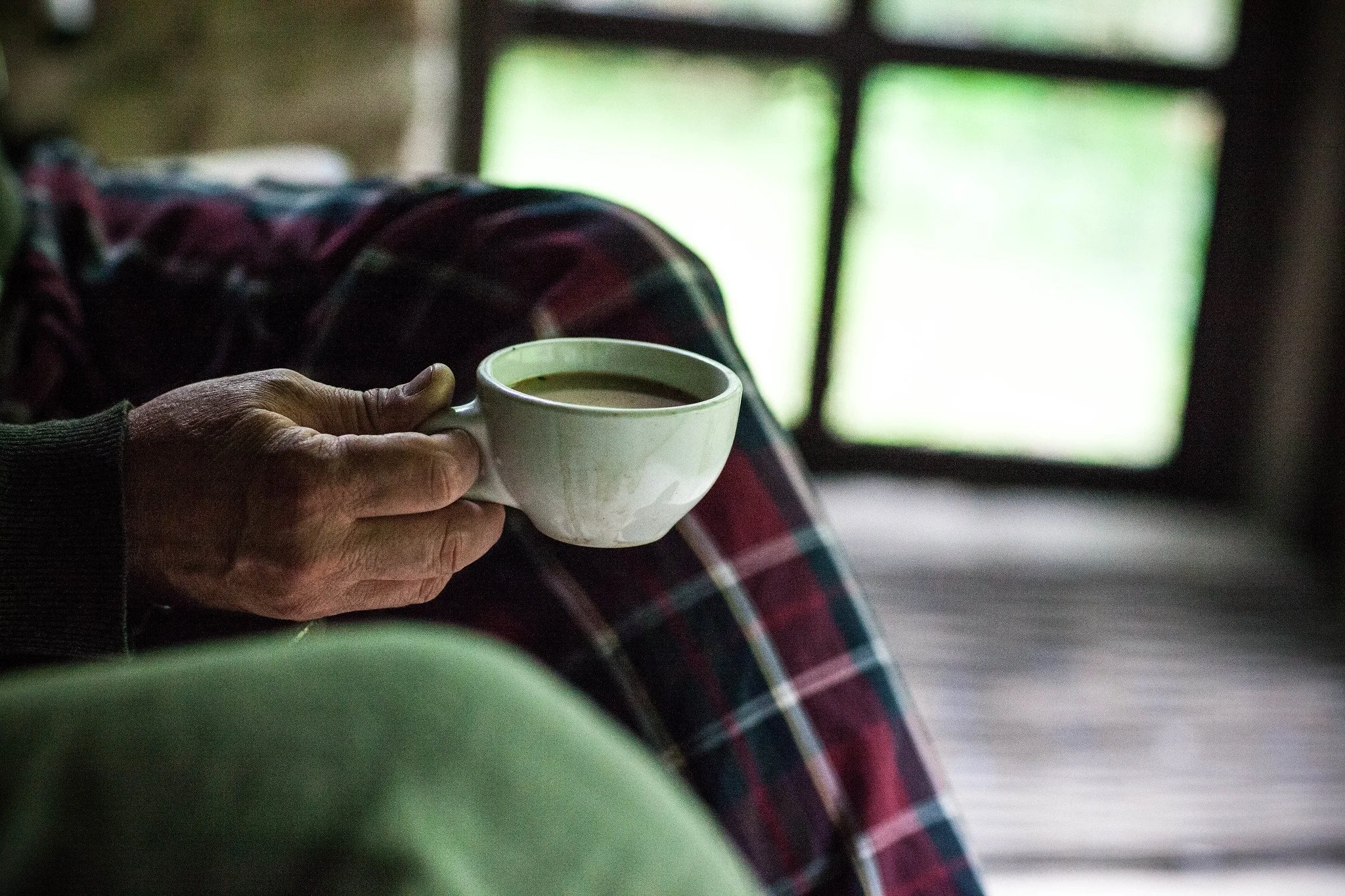
PHOTOS: PATIENCE SALGADO"I was reading Solito. That's what launched it.
It's about a 9-year-old kid from El Salvador who immigrates here by himself, without any family. He meets a lot of people on the way that become like second family, but he's very scared. It's told from the perspective of this, like, innocent 9-year-old child.
Throughout the journey he's like, 'I'm excited. I'm going on an adventure,' not knowing the reality of what that adventure entails. You kind of see the hardships throughout the book. I cried like every chapter or something. It's like the reality for so many kids is that you stay with your grandparents, your parents are in America, and then having to immigrate by yourself, you know?
I remember being on this trip in El Salvador reading about this little Salvadorian kid and remembering my friend from high school. I was like, 'Damn, you immigrated here when you were a kid by yourself. This book is you. That's crazy.'
He came to the United States when he was like 8 years old. Everybody was fleeing El Salvador at that time, like his family was fleeing violence because the gangs were taking over his town.
When I got back from the trip, I texted him and said, 'Hey, I got you something.' It was the coffee from his town.
When he came over and smelled it, he got kind of emotional because he was like, 'Damn, this smells just how I remember it. This is exactly what I used to have every morning before going to school with my grandma.'
A few weeks later he texted me and said, 'Yeah, it took me all the way back. You know, that was the best coffee I've ever had. I just can't believe I got that again.'
It's like for a moment, he was back home, you know?"
mindy
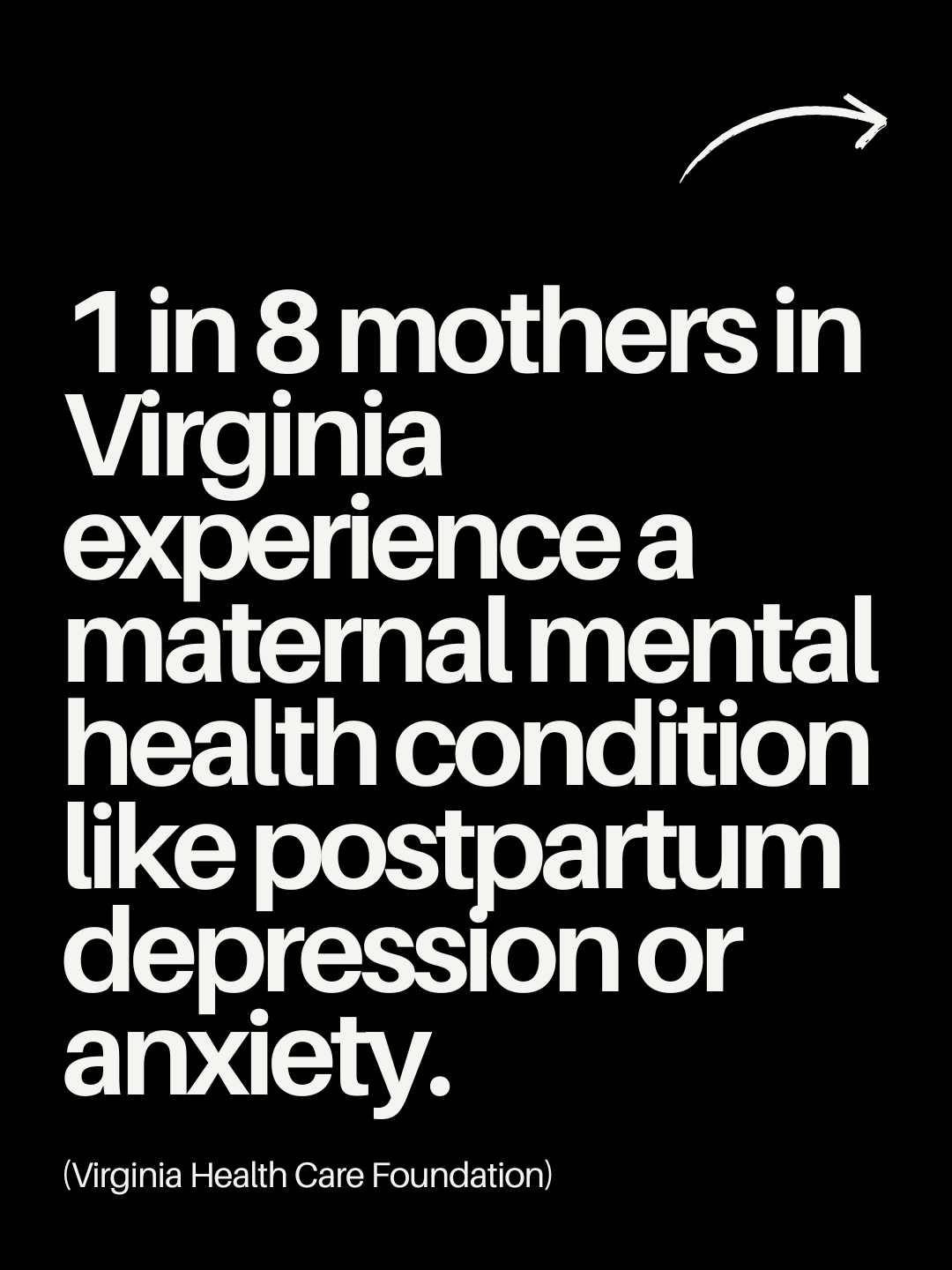
PHOTOS: PATIENCE SALGADO“Our clients, they want to be heard and understood, and they want to be seen, right, for what they’re going through. They want to have the validation that what they feel is real, and it’s normal, right?
Because a lot of people, their feelings have been minimized for their whole lives. Just get over it, just get through it. People do this all the time. My neighbor had a baby and she’s already walking 2 miles every day. Why are you not washing the dishes?
They need a space to be able to say all those things without judgment. To say how it feels unfair. It feels too hard. It feels overwhelming. This isn’t working out the way I wanted to. I don’t like the way I look. I can’t lose weight. It makes me feel bad about myself.
Because you’re not supposed to say those things, right? You’re supposed to do it. You’re not supposed to say, oh, I hate my body. You’re just supposed to whip it back into shape. Right? You can say that to me.
You can say, ‘Man, my husband’s really ticking me off. He’s not helping me.’ You can tell me that.
This is the space, all those things that you are carrying, it’s safe to say it. And my face isn’t going to change. You know? I’m right there with you. I think that’s what counseling is at its best. When you come in and you feel safe to say that ugly thing that you’ve been carrying, for fear of someone making a face, someone judging, someone questioning. someone brushing it off. You can do that with me.
I want them to leave that session and feel like, wow, I have so much going on in my life that was such a good use of that 50 minutes. Because some of them work, some have multiple children, they have other things that they need to do, and still take 50 minutes just for me. Feel selfish. You know, I want them to leave that session going, ‘That wasn’t selfish. I needed that. I feel like I can get through the week. I unburdened a little bit.’”
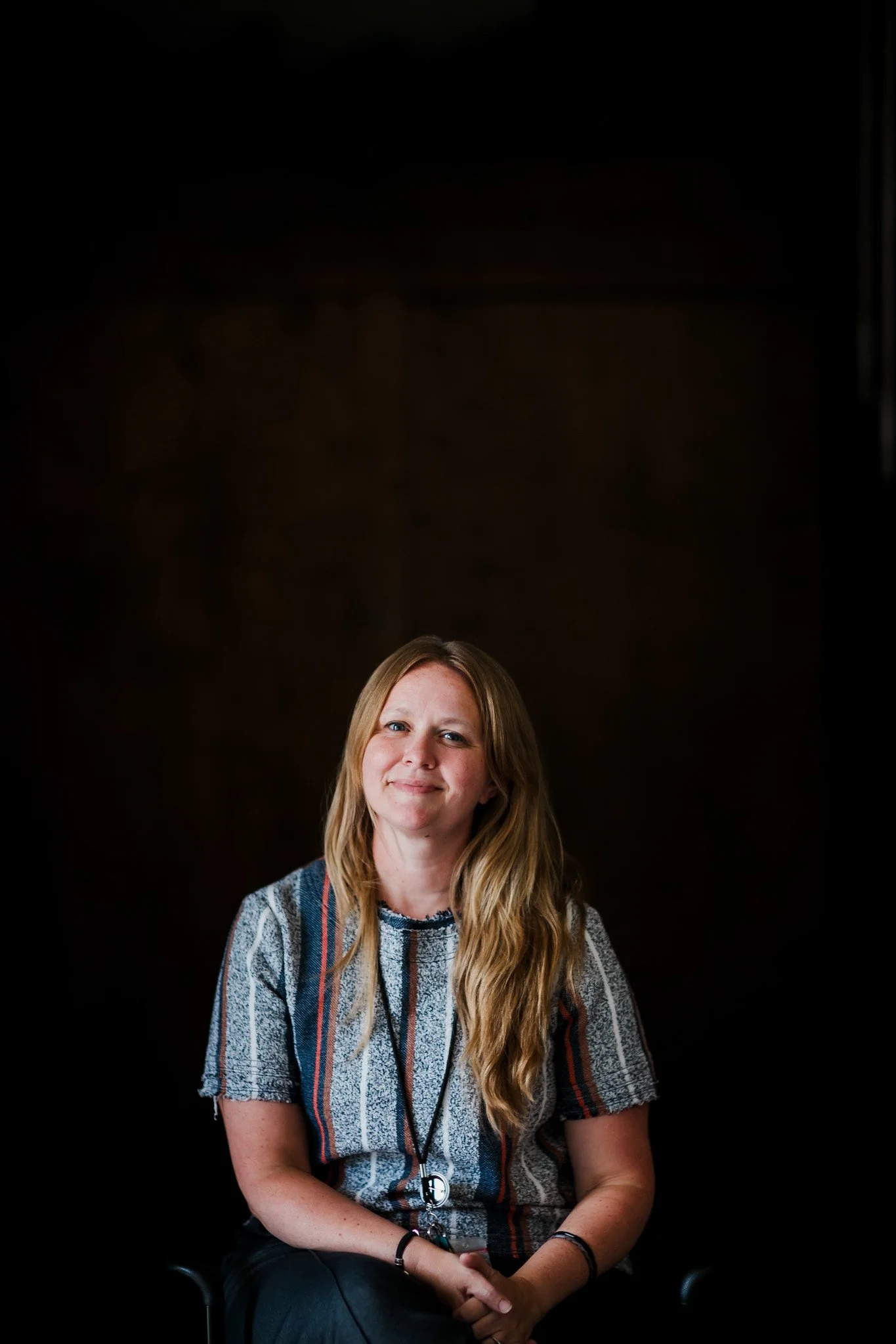
Mindy Schuler, MS
Resident in Training
Health Brigade
jamie
PHOTOS: KRISTIN SEWARD“Mom wrote everything down. After she passed away, I found a bunch of her journals, and some were from her therapy. I knew that she’d been ill basically from the time I was eight years old, but I guess I didn’t understand the full weight of it because she still tried to make my childhood fun. I remember we went to the movies, but only on Monday or Tuesday afternoons when the theater would be mostly empty. I didn’t even realize until later in high school that most people went to the mall or movies on weekends. She had been diagnosed with agoraphobia, complex PTSD, anxiety, and depression. We planned everything around when there wouldn’t be too many people.
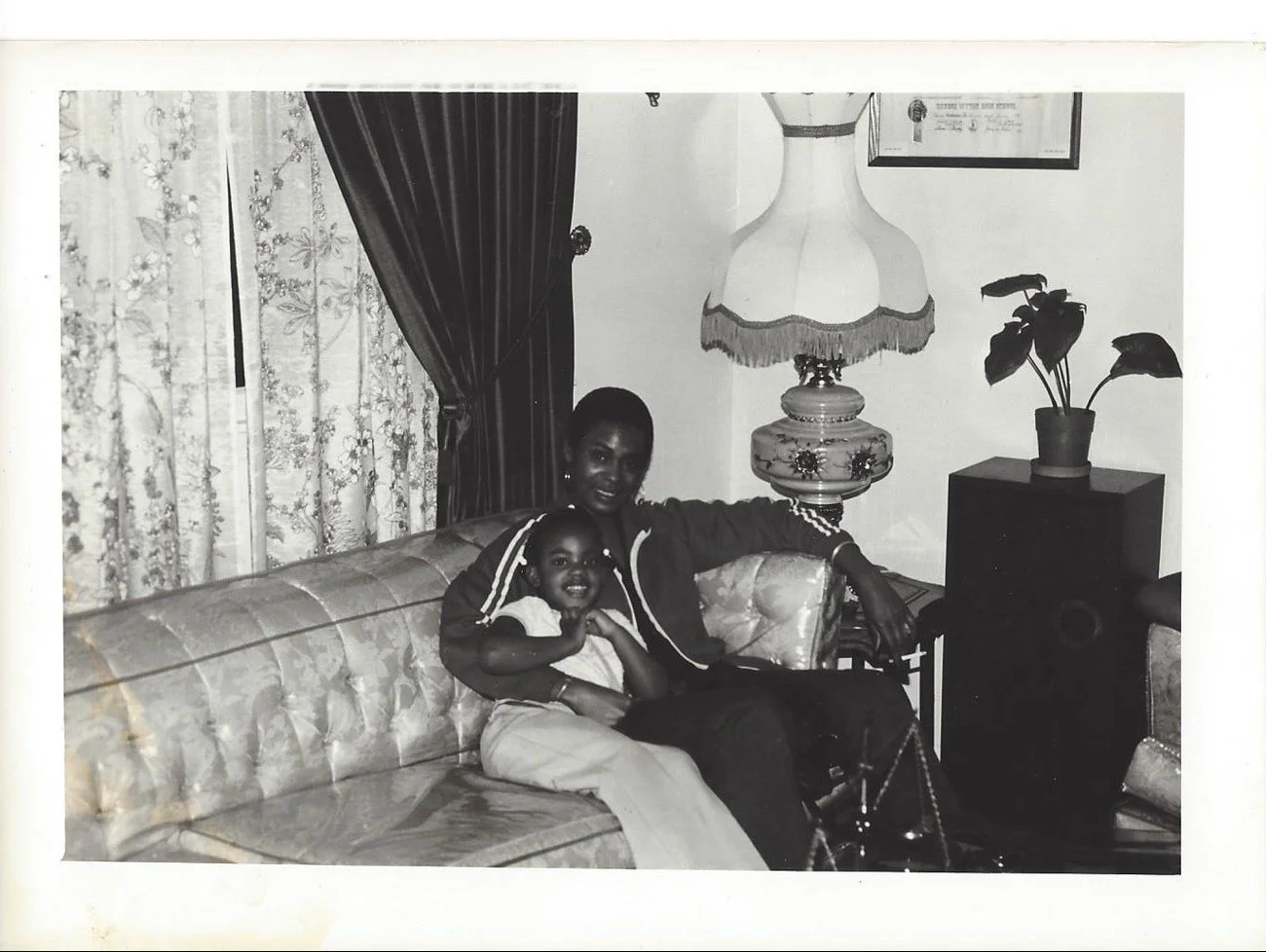
Apparently, at some point she told me she was too scared to go outside in our backyard, and my response was, 'Well, let’s do it together.' So when it was nice out, we’d go onto the back porch and I would lay on the ground and do my homework while she did hers- which was to just try to sit outside for fifteen minutes. Then we would just walk to the end of our cul-de-sac and back. And I would do it with her almost every day.
My oldest brother died about ten years later, when I was nineteen, and that’s when her health really shifted. Dad was still working as a truck driver and was away most of the time, so when I moved back to Richmond after university, I started doing the grocery shopping and taking her to her doctor’s appointments. I was also working two jobs at the time and working at the church. It was a lot. And there were some days when I was kinda shitty about it, because I also wanted to live my life. Occasionally, other relatives would offer to help out, but she felt more comfortable with me helping, so it just kinda became our dynamic for a long time until Dad retired.
When he eventually did, it took some of the pressure off, but I knew her doctors and if she wanted me to come back with her in the appointments, I would. My goal was always for her to be as independent as possible, so we got her set up downstairs with her own refrigerator and little George Foreman skillet so she could cook for herself, but I still had to help her with things around the house. And when she fell, I had to get her back up. She’d get too nervous and unsure and become deadweight. That’s part of the reason I started working out as hard as I did- because I wanted to be able to pick her up.
That first year after she died, I didn’t know what to do with myself. I almost felt like a rebellious twenty-something, getting to finally go out and do whatever I wanted. I think that’s when I realized just how much of my identity had become wrapped up in taking care of her. And my dad, in his recognition of all that I’d done, wanted me to be able to be free to do that. But I still run the household: I manage the finances and make all of the appointments. And now his health is declining pretty rapidly.
He’s been falling a lot lately. Just yesterday, I was going to head to the gym before work as I usually do and I got a call from my niece telling me that he had fallen and he wanted me to come and pick him up. I got downstairs and found him curled up in the bottom of his closet, covered in blankets. He had fallen the night before when he was changing clothes.
I said, “Dad, why didn’t you call me last night?” And he said, 'Well, I knew you were asleep and you needed your rest.' So he had waited until the morning and had tried to make himself comfortable. We’ve kinda gotten this routine down when he falls, because I know he wants to do as much as he can to help himself, so I’ve learned to give him a lot of reassurance. I tell him, 'You can lean on me, you’ve got this.' So I got him up and made sure he was good and he went on about his day but by that point, I’d missed my window for the gym. But he was safe, and that’s the important thing. It’s little things like that though- there’s this unseen toll. No one really talks about or sees what it’s like.”
He and I have already talked about his death plan, so it’s in the back of my mind that this is the next thing coming. This time around, I know I can’t do it all on my own and thankfully, I’m not. It takes a really special person to come in like Andrew did and say, 'we’re gonna do this together.' They never once made it feel like it was a burden. We’ve been married now for seven months and yes, we’re living our lives in that regard and I’m still working a full-time job, but it’s not like I’m going to forget my dad’s needs or desires. There’s no way to turn that part off.”
-Jamie Patterson
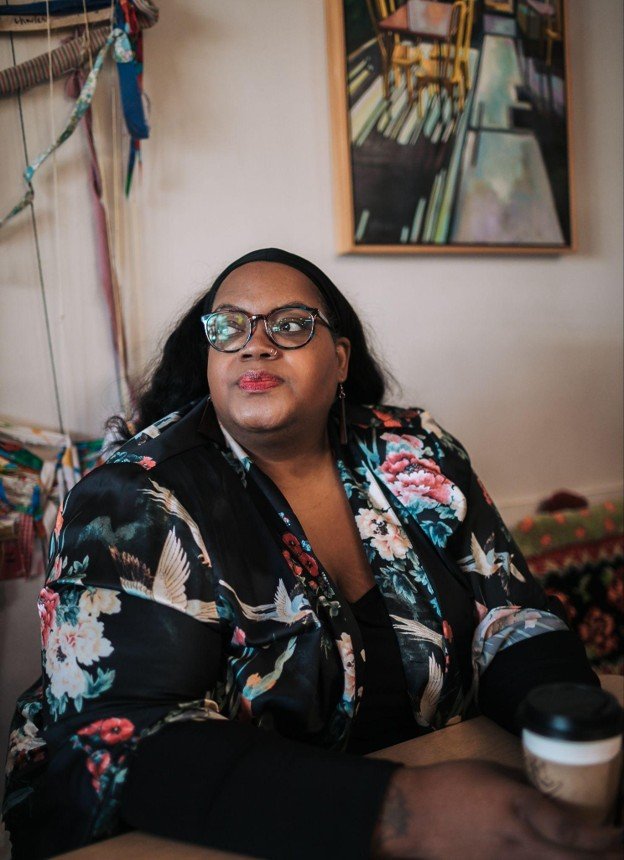
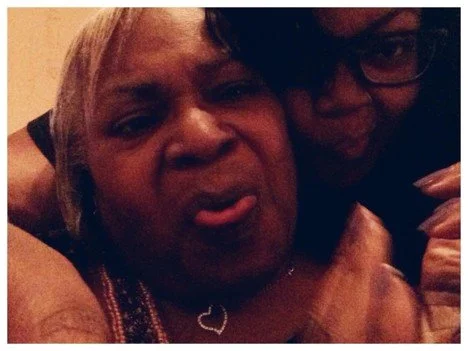
Jaime’s struggle is not unique. But something has shifted in the twenty plus years of her role as caretaker for her parents. The work didn’t disappear, nor did the vigilance. Over time, though, it was met with a radical self-acceptance, the ungrasping of a decades-long belief that what she carried alone would be too heavy to hand off to anyone else. But just as she once reassured her own mom, she’s discovering for herself in this new season of her life that “Let’s do it together” is the only way care can be sustained.
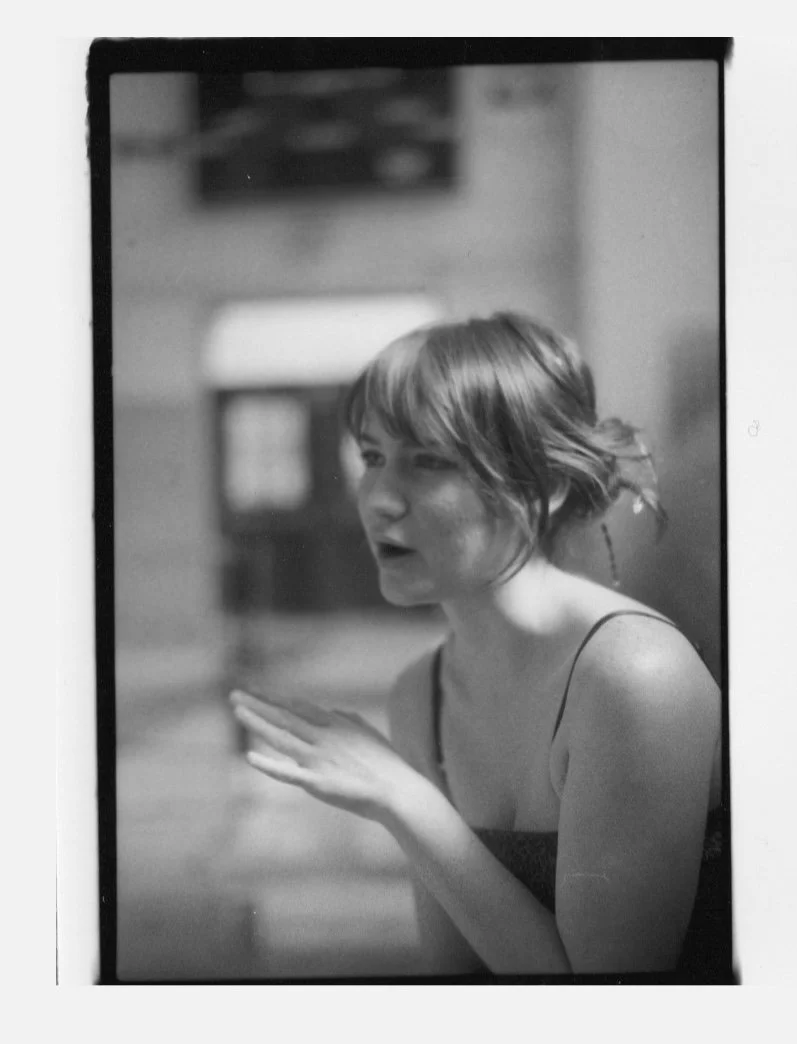
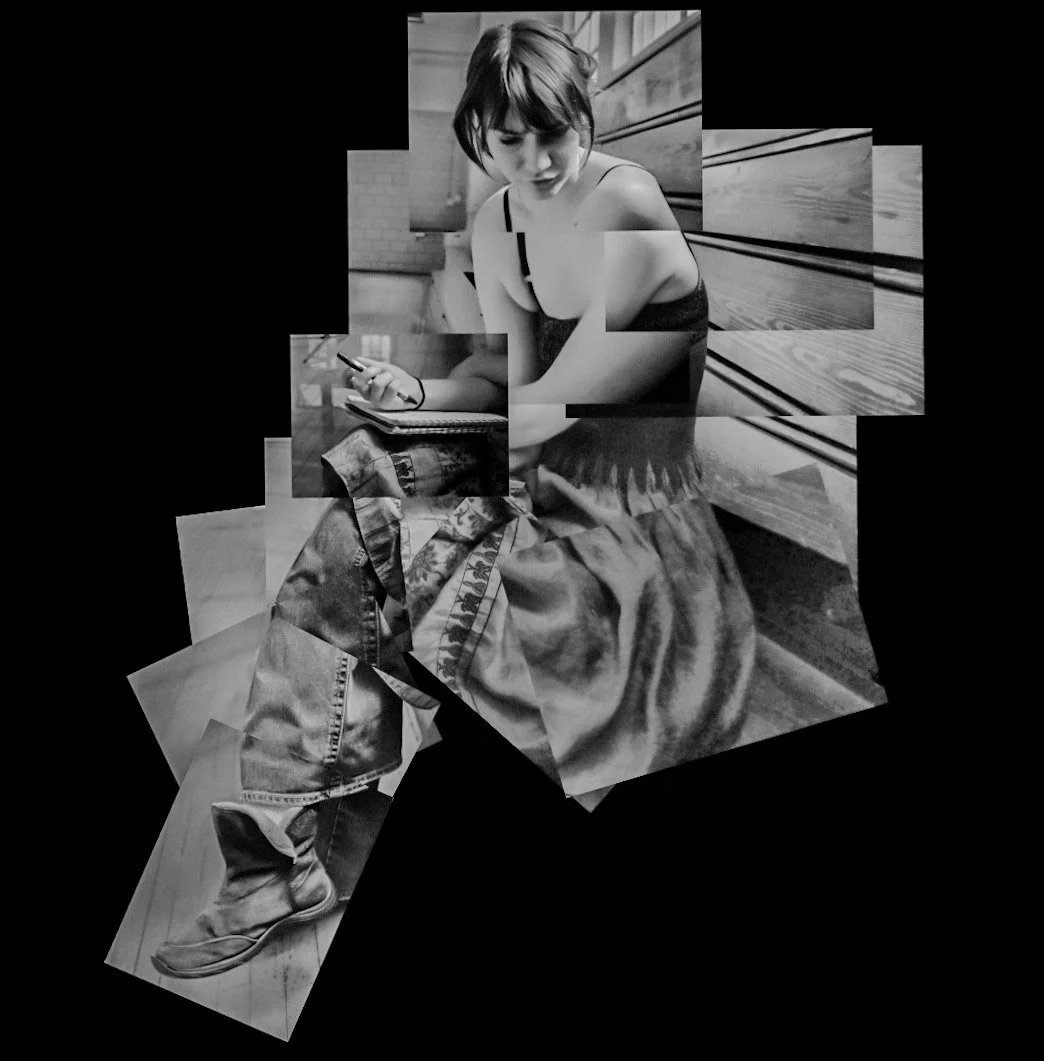
ABBY
PHOTOS: JOSEPH RHOADES"I think of care for others as like super equivalent to care for self-care and their self-care.
I like the idea of being two tall trees and they're just like in each other's presence. They're not like spoon-feeding the other person. They're not dependent.
So I don't know. I think just having enough self-care to grow independently and then being able to enjoy someone else's presence, I would say, is care. I think sympathizing... Not necessarily like... Not overly sympathizing.
You know, just not overly sympathizing, but understanding. Creating space, I think, is the word I'm looking for. Creating space for the people in my life is important.
I think we all deserve space. That can mean just having someone talk and I'm like, Oh my god, yeah, tell me more, tell me more. Or, oh, that sucks that happened to you.
I'm sorry. And then they start talking more about it. It doesn't really mean schedule-wise making space.
It just means more like... We just have to put things into the air. I guess it just means conversation, but I don't know. Sometimes it's not really with words."
-Abby Brymer